Small flat removals Finsbury Park tight stairs access solutions
If you are planning a move in Finsbury Park and your flat comes with narrow staircases, awkward turns, or a lift that feels more decorative than useful, you are not alone. Small flat removals in Finsbury Park often sound simple on paper, then suddenly become a puzzle of bannisters, shared entrances, parking, and items that look twice as large on the staircase. The good news? There are sensible tight stairs access solutions that make the whole thing far less stressful.
This guide breaks down how these moves work, what to watch out for, and how to prepare so your belongings travel safely without the usual bruised walls, strained backs, or last-minute panic. You will also find practical checklists, comparison advice, and a realistic look at what to expect on moving day. To be fair, a little planning goes a very long way here.
For a broader look at local moving support, you may also want to explore the company's home moves, man and van, and man with van services, especially if your move involves a mix of boxes, furniture, and a few awkward items.
Table of Contents
- Why Small flat removals Finsbury Park tight stairs access solutions Matters
- How Small flat removals Finsbury Park tight stairs access solutions Works
- Key Benefits and Practical Advantages
- Who This Is For and When It Makes Sense
- Step-by-Step Guidance
- Expert Tips for Better Results
- Common Mistakes to Avoid
- Tools, Resources and Recommendations
- Law, Compliance, Standards, or Best Practice
- Options, Methods, or Comparison Table
- Case Study or Real-World Example
- Practical Checklist
- Conclusion
- Frequently Asked Questions
Why Small flat removals Finsbury Park tight stairs access solutions Matters
Small flat removals are a different kind of moving job. You are not usually dealing with a whole house full of stockpiled furniture. Instead, you are dealing with a compact set of belongings in a building that may have old stairwells, limited landing space, shared corridors, and neighbours who would quite like the move to happen quietly and quickly. That combination is exactly why access planning matters so much.
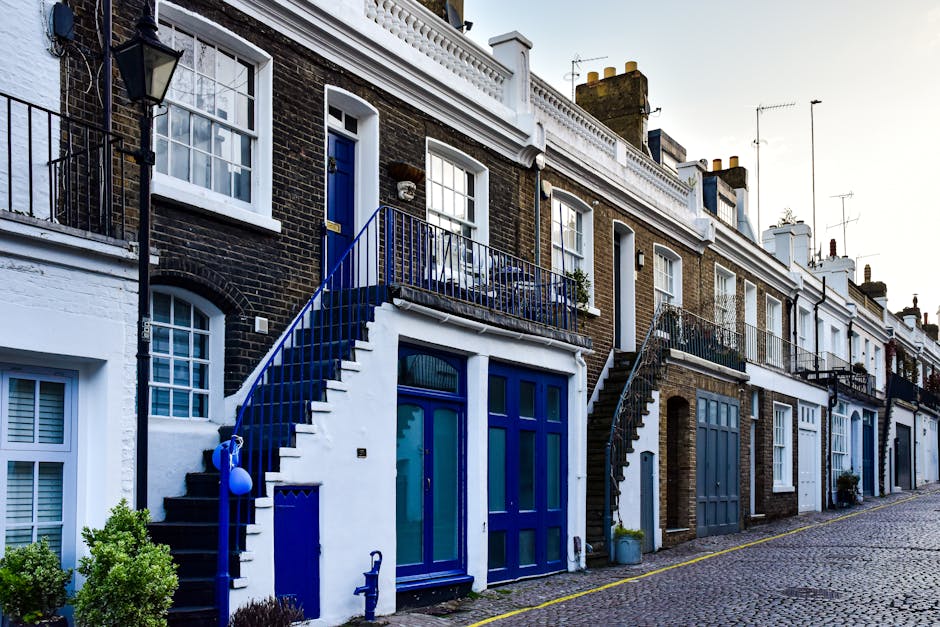
In Finsbury Park, flats vary a lot. Some are in converted Victorian houses with steep steps and narrow twists. Others sit above shops or in purpose-built blocks where the lift is too small for a sofa but still technically counts as a lift. So the removal plan cannot be generic. It needs to fit the building, the item sizes, and the time window available.
When access is tight, the difference between a smooth move and a miserable one is often just a few simple decisions: how you measure furniture, whether you remove a table leg in advance, where the van is parked, and who is carrying what. Miss those details, and even a short move can drag on. Get them right, and the whole day feels lighter. Not easy, but manageable.
This is also where good communication helps. A mover who understands stair access, turning space, and carrying routes can plan the lift-and-carry process properly instead of improvising at the front door. That reduces risk to your walls, your items, and frankly, your nerves.
How Small flat removals Finsbury Park tight stairs access solutions Works
The core idea is simple: use the right vehicle, the right lifting method, and the right order of operations for the property. In practice, that means translating a cramped staircase into a workable moving route.
A typical process starts with an access assessment. This may be done from photos, a video call, or a quick walk-through if the mover is local. The person organising the move will want to know:
- how many flights of stairs there are
- whether the stairs turn sharply or have a narrow landing
- if there is a lift and whether it is usable for large items
- where the van can stop legally and safely
- which items are bulky, fragile, or awkwardly shaped
- whether any furniture needs dismantling first
Once that is clear, the mover can choose the method. For some small flats, a simple two-person carry is enough. For others, a more careful relay system is better, where items are moved in a sequence rather than trying to force multiple things through the stairs at once. The goal is not speed at any cost. The goal is efficient safety.
There is also a packing side to this. Good packing makes tight-stairs removals easier because it reduces loose handles, protruding corners, and boxes that collapse halfway down the steps. The company's packing and unpacking services can be useful here if you want help making awkward items easier to handle and safer to transport.
One small but important point: the staircase itself is part of the job. In older blocks, the stairs can be worn, uneven, or a touch slippery in damp weather. That means the team should be thinking about grip, spacing, and protection before the first item moves. It sounds obvious, yet this is exactly where people get caught out.
Key Benefits and Practical Advantages
There are several clear advantages to using a moving approach designed for tight stairs access rather than trying to force a standard removal into a restricted building.
- Less damage risk: furniture, paintwork, banisters, and doorframes are better protected when the route is planned properly.
- Faster loading and unloading: when the sequence is thought through, the move tends to flow instead of bottling up on the stairs.
- Lower stress: you are not trying to improvise while holding a wardrobe halfway round a landing. That alone is worth a lot.
- Better safety: smaller, steadier carries reduce the chance of trips, slips, and strained backs.
- Smarter use of space: compact vans and efficient loading work well for one-bedroom and studio moves.
For small flats, another big benefit is flexibility. You may not need a huge removal truck. In many cases, a carefully chosen vehicle and an experienced team are enough. If your load is modest, the company's removal truck hire and moving truck options can be worth comparing with a lighter setup.
There is also a sustainability angle. A better-planned move often means fewer wasted journeys, better use of space, and less unnecessary wrapping. If you are trying to be thoughtful about waste, the company's recycling and sustainability information is a sensible place to look.
Who This Is For and When It Makes Sense
These solutions are a good fit for anyone moving a small property with awkward access. That often includes:
- studio flats and one-bedroom flats
- flatshares with narrow internal staircases
- top-floor apartments without a useful lift
- converted properties with split-level or twisting stairs
- tenants moving in or out on a tight schedule
- people with large furniture but not a full household load
It also makes sense if you have one or two items that are simply troublesome. A sofa that barely fits the corner. A mattress that flexes too much. A fridge that needs a careful lift. These are exactly the moments when access planning saves the day.
And if you are moving out of a smaller place while keeping the overall load lean, you may only need a partial service rather than a full-scale removal. That is where a man and van arrangement can make practical sense. It is not about overpaying for a service bigger than the job. It is about matching the job to the right setup.
Sometimes people only realise this once they are standing in a hallway, measuring a wardrobe against a stairwell and thinking, well, this seemed easier in my head. Happens all the time.
Step-by-Step Guidance
Here is a straightforward way to handle a small flat move where stairs are tight and the access is not exactly generous.
- Measure the awkward things first. Do not just measure the flat. Measure sofas, bed frames, mirrors, desks, and appliances. Note the widest point, not the nicest-looking one.
- Check the stairwell properly. Look at turns, landings, handrails, low ceilings, and the front door width. A single narrow corner can be the real obstacle.
- Decide what needs dismantling. Flat-pack items, bed frames, some tables, and shelving units are often easier to move in parts. If it unscrews, you are probably better off doing it before moving day.
- Book the right service level. For a compact move, you may only need a man-with-van style service. For larger loads or more difficult access, a more substantial vehicle or team may be better.
- Pack in a carry-friendly way. Use sturdy boxes, avoid overfilling, and keep heavy items manageable. A box that looks neat but is too heavy is a trap, plain and simple.
- Protect fragile areas. If the building allows it, use blankets, corner protection, and floor coverings around the route.
- Plan the van parking spot. In Finsbury Park, parking and loading space can be the deciding factor. The closer the van can safely get, the easier the carry.
- Load in the right order. Put the awkward, bulky items in first if they will be needed at the other end, or keep them accessible if they should come off early.
- Leave a clear route. That means no bags on the stairs, no open doors blocking landings, and no last-minute clutter in the hallway.
- Do a final check. Walk through the flat once more, check cupboards, under beds, behind doors, and in loft access if relevant. People always forget one thing. Usually a charger.
Expert Tips for Better Results
After enough small flat moves, a few practical habits stand out. They are not flashy, but they make a real difference.
Use soft materials for protecting furniture. Blankets and padded covers are often better than layers of loose plastic, especially when corners are tight. Plastic can slide. Blankets grip more naturally and are kinder to walls.
Keep the route short and obvious. If the hallway is cluttered, clear it. If the front door opens awkwardly, hold it back safely. The smoother the line of travel, the fewer pauses you need on the stairs.
Separate the fragile from the bulky. One fragile lamp mixed with several heavy boxes creates hassle. Keep delicate items grouped and labelled so they are not grabbed in a rush.
Ask about access before the booking is confirmed. A quick conversation about stair width, lift size, and parking restrictions can prevent a lot of faff later. It really can.
Use the right support for disposal items. If your move includes furniture you do not want to take, look at the company's mattress and sofa disposal and fridge and appliance removal options, so you are not dragging unwanted items up and down the same staircase twice.
Keep an eye on timing. Early morning moves can be quieter in the building, but late finishes can be more tiring. Try to balance convenience with energy. You do not want the final box to feel like a marathon.
Common Mistakes to Avoid
Most problems with tight-stairs removals come from a short list of avoidable mistakes.
- Ignoring measurements: guessing that a sofa will "probably" fit is how people end up stuck on landings.
- Leaving dismantling until the day: that turns a controlled move into a scramble.
- Overpacking boxes: heavy boxes are awkward on stairs and more likely to split.
- Forgetting about neighbours: leaving the corridor blocked or creating unnecessary noise can cause friction.
- Assuming every mover handles stairs the same way: they do not. Experience matters.
- Not checking insurance and safety arrangements: always better to know what is covered before lifting starts.
There is a funny little truth in removals: the thing that looks easiest is often the thing that causes the most trouble. The small TV box is fine. The oddly-shaped sideboard? That is where the drama lives.
If you want more reassurance around working practices, the company's insurance and safety information and health and safety policy are useful pages to review before you book.
Tools, Resources and Recommendations
You do not need a van full of specialist kit to make a small flat removal work. But a few tools and sensible supplies help a lot.
- Furniture blankets: for protecting edges, drawer fronts, and painted surfaces.
- Strong tape and labels: for marking boxes by room and priority.
- Basic tools: screwdriver, Allen keys, and a small spanner set for dismantling furniture.
- Gloves with grip: especially useful on chilly mornings when hands can feel clumsy.
- Protective covers: for mattresses, sofas, and anything fabric-covered.
- Box cutters and scissors: for opening packaging cleanly, not hacking at it like a pirate.
On the service side, it may help to compare the level of support you need. Some customers simply want transport. Others want help with loading, unloading, packing, and disposal. The company's packing and unpacking services, furniture pick up, and about us pages give a better picture of how the business works and what kind of support is available.
For costs and payment planning, it is sensible to review pricing and quotes and payment and security before the moving date. Nobody enjoys surprises at that stage, especially not the expensive kind.
Law, Compliance, Standards, or Best Practice
For a move like this, the main compliance concerns are practical rather than bureaucratic. Still, they matter. Anyone arranging or carrying out removals should take reasonable steps to work safely, protect property, and avoid causing obstruction or damage.
In the UK, it is normal to expect careful manual handling, sensible lifting techniques, and proper attention to access conditions. That means not overloading one person, not forcing a bulky item through a gap that is clearly too tight, and not ignoring slip or trip hazards on stairs and landings.
If waste or unwanted items are part of the move, best practice becomes even more important. You should separate reusable items from waste, avoid leaving rubbish in communal areas, and use appropriate disposal routes for appliances or anything that may require special handling. If you are getting rid of old household items, the company's pages on recycling and sustainability, hazardous waste disposal, and what can go in a skip may help you think through the practical side.
Best practice also includes respecting the building and the people in it. That is especially true in shared stairwells, where a bit of courtesy goes a long way. Keep access clear, keep noise down where you can, and protect surfaces if the route is cramped. Simple stuff, but it matters.
Options, Methods, or Comparison Table
There is no single best method for every small flat move. The right choice depends on the size of the load, the quality of access, and how much help you want on the day.
| Option | Best for | Strengths | Watch-outs |
|---|---|---|---|
| Man and van | Small loads, a few rooms of belongings, light furniture | Flexible, usually cost-effective, good for local moves | May be less suitable for very bulky items or complex access without enough hands |
| Fuller removal setup | More furniture, heavier items, tighter scheduling | More capacity, easier for bigger or awkward moves | Can be more than you need for a small flat |
| Packing plus moving support | Busy tenants, fragile items, time-poor movers | Less stress, better protection, cleaner process | Costs more than transport alone |
| Furniture-first approach | People moving key items only or disposing of extras | Lightens the load and speeds up access | Needs clear decisions about what stays and what goes |
If you are torn between options, think about the stairwell first and the item mix second. A surprisingly small sofa can become the biggest issue in the whole move if the staircase is unforgiving. That is the bit people forget.
Case Study or Real-World Example
Here is a realistic example based on the sort of move that comes up often in Finsbury Park.
A tenant is moving out of a one-bedroom flat on an upper floor of a converted property. The staircase is narrow, the landing turns sharply, and there is no practical lift. The move includes a bed frame, mattress, two bookcases, a sofa, several boxes, and a small fridge. Nothing huge on its own, but together it is awkward.
The solution is not to force everything out at once. Instead, the bed is dismantled the day before, the shelves are emptied and wrapped, and the fridge is checked as a separate item. The van is parked as close as possible without causing trouble, and the carry route is kept clear. The team moves the most cumbersome items first, then the boxes, then the lighter pieces. The sofa is handled last because it needs the most space in the stairwell and is easier once the route is clear.
The move finishes without scuffed walls or a stressed-out tenant hovering in the hallway. The biggest win, honestly, is that nobody has to do the same stairwell twice for something they forgot. That alone saves a surprising amount of energy.
This is the kind of job where a local, practical approach matters more than a fancy one. If you are dealing with a similar property layout, a compact service such as man with van or a broader home moves service can be a very sensible fit.
Practical Checklist
Use this checklist before move day. It keeps things tidy and prevents those "we should have checked that" moments.
- Measure large furniture and appliances.
- Check stair width, landings, and ceiling height.
- Confirm whether the lift is usable for items.
- Decide what needs dismantling.
- Pack heavy items into smaller boxes.
- Label boxes by room and priority.
- Protect fragile items with proper wrapping.
- Clear hallways, landings, and entry routes.
- Plan where the van will park.
- Separate items for disposal, recycling, or donation where relevant.
- Keep essentials in a separate bag for the first night.
- Double-check keys, access times, and building rules.
Expert summary: the simplest way to make a tight-stairs flat move go well is to reduce surprises. Measure early, strip down furniture where possible, keep the route clear, and choose a service that matches the real access conditions rather than the ideal ones. Small flats can move quickly when the plan is good. And when the plan is not good, even one suitcase can feel like a nuisance.
Conclusion
Small flat removals in Finsbury Park do not have to be stressful, even when the stairs are narrow and the access looks tricky at first glance. With the right preparation, a sensible moving method, and a team that understands compact properties, the whole process becomes far more predictable.
The real secret is not brute force. It is accuracy. Accurate measurements, accurate planning, accurate packing, and a realistic view of what the building can actually handle. Once you have those in place, the move tends to feel a lot less like a battle and more like a controlled reset.
If you are at the point of comparing options, checking details, or just wanting a clearer idea of how the move will work, it is worth reviewing the service pages and getting the conversation started early. A calm, well-planned move is always easier than a rushed one, especially in a stairwell that does not forgive mistakes.
Get a free quote today and see how much you can save.
Frequently Asked Questions
What counts as a small flat removal in Finsbury Park?
Usually it means a studio, one-bedroom flat, or a small flatshare move with a limited number of furniture items and boxes. The exact size matters less than the access and the item mix.
How do tight stairs affect the moving process?
Tight stairs slow the move down, increase the risk of knocks or scratches, and make large items harder to manoeuvre. That is why planning the route and removing bulky parts in advance is so useful.
Can a sofa be moved up or down narrow stairs?
Sometimes yes, sometimes no. It depends on the sofa's dimensions, the stair turns, and how much flexibility the frame has. Measuring both the item and the staircase is the safest approach.
Should I dismantle furniture before the movers arrive?
If you can do it safely, yes. Bed frames, shelves, and some tables are often easier to move in parts. It reduces pressure on the stairs and speeds things up.
What if my flat has no lift?
No lift is not unusual in older London properties. The move can still work well, but the carrying route needs to be planned carefully and heavy items should be managed with extra care.
Is a man and van service enough for a small flat move?
Often it is. For smaller loads and local moves, a flexible service can be the most practical option. If you have several bulky items or difficult access, you may need more support.
How early should I book a tight-stairs removal?
As early as you reasonably can, especially if you are moving at month-end or over a weekend. Good timing helps with parking, access, and team availability.
What should I tell the mover before the job?
Tell them about stair width, floor level, lift size, parking access, bulky items, and anything that needs dismantling or disposal. The more honest the picture, the smoother the move.
Can unwanted furniture be removed at the same time?
Yes, often it can. If you are clearing out old items as part of the move, look at disposal options for furniture, mattresses, and appliances so you are not doubling back later.
How can I protect walls and bannisters during the move?
Use blankets, careful carrying, and a clear route. The moving team should also pace the items properly and avoid rushing turns on the stairs.
What is the biggest mistake people make with small flat removals?
Assuming the stairs will be fine without checking them properly. That one assumption causes more hassle than almost anything else. Measure first, then decide.
Do I need help with packing as well as moving?
If you are short on time or have fragile items, packing help is very useful. It can make tight stairs removals safer because the boxes are neater, sturdier, and easier to carry.