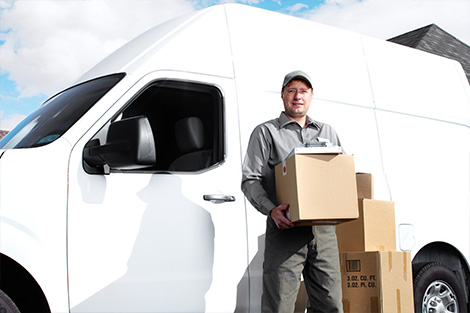
Booking removals near Finsbury Park station

If you are booking removals near Finsbury Park station, you are probably balancing a few things at once: traffic, tight streets, awkward access, and the simple fact that moving day has a way of becoming busier than expected. That's pretty normal around this part of North London. The station area is lively, well connected, and convenient - which is brilliant for getting around, but not always brilliant when a van needs to park, load, and get out without hassle.
This guide explains how the booking process works, what to look out for, how to avoid common moving-day headaches, and how to choose the right removal support for your situation. Whether you are shifting a flat, a family home, or a small office, the aim is the same: get everything moved safely, on time, and without turning the whole thing into a nightmare.
To make things easier, the article also points you towards useful service pages such as man with van, home moves, and pricing and quotes where they genuinely add value to the booking journey.
Quick takeaway: the best removals booking is usually the one that matches your property access, item list, timing, and budget - not just the cheapest quote on paper.
Why Booking removals near Finsbury Park station Matters
Finsbury Park station sits in one of those London pockets where convenience and complexity live side by side. You have strong transport links, a mix of residential streets, busy roads, period flats, newer developments, and a constant flow of people. Good for everyday life. Less lovely when you're trying to move a sofa down a narrow staircase at 8 a.m. while someone's blocking the entrance and a bus is waiting behind a van.
Booking the right removal support matters because the local environment shapes the move. Access can be tight. Parking can be limited. Lift availability is not always guaranteed. And if you live close to the station, there is a good chance your building has specific rules about loading bays, concierge access, or time windows. That's why local familiarity counts. It isn't just about having a vehicle; it's about understanding how to work in the area without wasting your morning or annoying your neighbours.
It also matters because removal day is rarely just about transport. You may need packing help, temporary storage planning, disposal of old items, or specialist handling for heavy furniture and appliances. A sensible booking can reduce stress across all of that. A poor booking tends to magnify everything - delays, damage risk, last-minute extra charges, the lot.
Expert summary: near a major station, a removal booking should be judged on access planning, timing, loading efficiency, and clear communication. The vehicle is only one part of the service.
How Booking removals near Finsbury Park station Works
The process is usually straightforward, but the details make all the difference. In most cases, you start by describing what you need moved, where from, where to, and how much help you want on the day. The more precise you are, the better the quote and the smoother the booking.
A good booking conversation usually covers:
- property type: studio, flat, maisonette, family home, office, or storage unit
- floor level and lift access
- parking or loading restrictions
- the number and type of items to move
- whether anything needs dismantling or special handling
- packing support, if needed
- preferred date, arrival time, and estimated duration
From there, the service provider should confirm what is included. That might be a driver and helper, a larger vehicle, boxes and packing materials, furniture protection, or simply transport. If you're booking a man and van style service, the setup is often ideal for smaller moves, single-item collections, student flats, or a partial house move. For larger relocations, a vehicle-focused option such as removal truck hire or a bigger moving truck may be more suitable.
Then comes the practical bit: timing. Near Finsbury Park station, timing can be the difference between a calm move and a frustrating one. If your building has a restricted loading window, or if the road gets congested around school run or commuting hours, book accordingly. Sometimes a slightly earlier start saves an hour of waiting around. Funny how that works.
You should also expect a confirmation of terms, payment method, and any cancellation or amendment rules. A decent provider will be clear about this. No vague hand-waving, no "we'll sort it on the day" when the day is already chaotic enough.
Key Benefits and Practical Advantages
When removals are booked properly, the benefits are immediate. You feel them before the first box is lifted. In a busy local area like this, the practical gains are even more obvious.
1. Less time wasted
Clear booking details help the crew arrive with the right vehicle and enough time. That means fewer return trips, fewer surprises, and less standing around with your kettle packed away somewhere you can't reach. Not ideal, obviously.
2. Better access planning
Local removals teams can plan around station traffic, controlled parking zones, and narrow residential roads. That makes the move smoother and reduces the odds of a van circling the block while everyone gets increasingly impatient.
3. Reduced damage risk
Matching the service to the job matters. A small set of items may need a light-touch solution; a full flat move may need stronger protection, more hands, or furniture covers. If you book the wrong type of service, the risk usually shows up on the staircase.
4. More predictable costs
When the provider knows exactly what is being moved, pricing tends to be clearer. For transparent planning, it helps to review pricing and quotes before you commit. That way you can compare options sensibly instead of guessing.
5. Less stress for you
Truth be told, that is the big one. A well-booked move removes a lot of emotional noise from the day. You can focus on keys, documents, and who has the last box of mugs, rather than worrying whether the van can even stop outside.
Who This Is For and When It Makes Sense
Booking removals near Finsbury Park station makes sense for a wide range of people. It isn't only for full house moves. In fact, many bookings in inner London are for smaller, more specific jobs.
- Renters moving flats: especially if you are upgrading from a studio or one-bed to another nearby property
- Families relocating homes: where furniture, white goods, and boxes need organised transport
- Students: moving between halls, shared houses, and short-term lets
- Office managers: arranging a small business move or equipment transfer
- Online sellers and buyers: needing one-off furniture collection or delivery
- Anyone with bulky items: like a wardrobe, mattress, sofa, or fridge
It also makes sense if you are in a time-sensitive situation. Maybe you have to hand the keys back by midday. Maybe a new lease starts the same afternoon. Maybe your building has a fixed slot for lifting large items. Those are the moments when a well-organised removal booking starts to look less like a luxury and more like a lifeline.
If you need a fuller household service, it can be worth looking at house removalists or home moves. For office-based jobs, office relocation services may be the better fit.
Step-by-Step Guidance
Here's a clean way to handle booking removals near Finsbury Park station without overcomplicating it.
- List everything you need moved. Walk room by room. Make note of furniture, boxes, appliances, and anything fragile or awkward. Be honest about volume; underestimating is a classic mistake.
- Check access at both addresses. Staircases, lifts, parking, door widths, and loading restrictions all matter. If you have a top-floor flat with no lift, say so early. Don't leave that little surprise for moving day.
- Decide how much help you need. Do you only need transport? Or do you want lifting, carrying, packing, and unpacking support too? If the answer is "all of the above," that's fine - just say it plainly.
- Choose the right service type. Smaller jobs may suit a man with van booking. Larger or heavier moves may require a bigger vehicle and more labour.
- Request a clear quote. Ask what the price includes, whether waiting time is charged, and what happens if access takes longer than expected.
- Confirm the booking details in writing. Date, time, collection address, delivery address, contact number, payment method, and any special instructions should all be confirmed.
- Prepare the property. Dismantle what you can, protect floors if needed, set aside essentials, and label boxes clearly.
- Keep documents and valuables separate. Passports, contracts, chargers, and keys should not vanish into the back of the van. That would be a rough start.
- Stay reachable on the day. If the crew cannot get access or needs clarification, a quick response can save a lot of time.
- Check everything before they leave. Do one final walk-through. Look inside cupboards, behind doors, and in the loft if relevant. Moving day often hides one last item somewhere obvious, which is deeply annoying.
Expert Tips for Better Results
Small improvements go a long way. In our experience, the easiest moves are the ones where the customer has done a bit of smart prep, not frantic prep.
Book a realistic arrival window. Around a busy station, a narrow time slot can be risky. If your access situation is uncertain, give yourself breathing room. A 30-minute delay in London can snowball quickly when parking is involved.
Measure the awkward items. Sofas, bed frames, wardrobes, and fridges are the usual troublemakers. If it looks tight in the hallway, it probably is. Measuring once saves a lot of faffing later.
Use separate labels for essentials. Have one clearly marked box for documents, chargers, snacks, kettle bits, and anything you will need on arrival. That first night in a new place feels better when you can make tea without digging through twelve identical boxes.
Protect the route. If you have narrow corridors or polished floors, mention it. A quick heads-up helps the team bring the right protection and handle things more carefully.
Match the vehicle to the load. A van that is too small is a false economy. You end up paying in time and effort. A vehicle that is too large can be unnecessary. If you are unsure, ask about options such as moving truck or other vehicle-based support.
Think about disposal early. A move is often the perfect moment to let go of broken furniture or unused appliances. For bulky items, you may want to look at mattress and sofa disposal, fridge and appliance removal, or furniture pick up if it suits your situation.
Keep communication simple. One contact person, one mobile number, one clear set of instructions. It sounds obvious, but on moving day there are usually too many people talking and not enough people listening.
Common Mistakes to Avoid
Most moving problems are avoidable. Annoyingly, they tend to be the predictable ones.
- Giving incomplete details. If you forget to mention a basement flat, a narrow staircase, or a no-parking street, the booking may be based on the wrong assumption.
- Leaving packing too late. The night before is not the time to start hunting for tape. It always feels like it should be simple, then somehow 47 small items appear from nowhere.
- Booking the wrong service size. Too small creates delays. Too large can create unnecessary cost. Try to judge the job honestly.
- Ignoring building rules. Some blocks need advance notice for lifts or loading access. If you skip this step, the move can stall before it begins.
- Assuming every quote includes everything. Ask about stairs, waiting time, packing materials, dismantling, and disposal. No one likes surprise extras.
- Not separating fragile items. Mirrors, glass, electronics, and sentimental stuff deserve extra care. Don't make them swim around with the saucepan collection.
- Forgetting rubbish and unwanted items. A move is a good time to clear out clutter. If you are getting rid of waste, check whether what can go in a skip is relevant to your disposal plan, or whether a different removal option is better.
One more thing: if the move feels bigger than you first thought, say so. That is not a failure. It is just sensible planning.
Tools, Resources and Recommendations
You do not need a mountain of tools to move well, but a few practical items make life easier.
- Strong tape and marker pens: for sealing and labelling boxes properly
- Furniture covers or blankets: useful for protecting wooden surfaces and upholstered items
- Basic dismantling kit: screwdrivers, Allen keys, and a small bag for bolts and screws
- Box labels by room: kitchen, bedroom, study, fragile, priority, and "open first" boxes
- Phone notes app: for inventory lists and reminders while the day is in motion
If you want a fuller service, packing and unpacking services can save a surprising amount of time, especially when you are juggling work, children, or a tight handover deadline.
For customers who want to understand the company side of things before booking, the about us page is a sensible starting point, and insurance and safety is worth reviewing if you are moving higher-value items or just want reassurance. That's fair enough, really.
Law, Compliance, Standards, or Best Practice
Moving home or office in London usually involves a mix of practical rules rather than one single legal hurdle. You may need to follow building rules, manage parking properly, and make sure any disposal is handled responsibly. The exact requirements depend on your property and the items involved, so it pays to ask questions early.
A few best-practice points stand out:
- Parking and loading: plan for lawful stopping, loading bays, or temporary arrangements where relevant.
- Building access rules: some properties require pre-booked lift access or move-in/move-out time slots.
- Safe handling: heavy or awkward items should be lifted with the right technique and enough people.
- Waste and disposal: do not assume all unwanted items can be mixed together. Some items need separate handling, especially appliances or hazardous materials.
- Privacy and confidential items: if you are moving paperwork or office records, use a secure method such as confidential shredding for anything that should not be kept.
If your move includes waste, broken items, or potentially risky materials, it is sensible to read the provider's hazardous waste disposal guidance and understand what is accepted. Best practice here is simple: do not guess.
For business customers, using an organised service such as commercial moves or office relocation services helps reduce disruption and keeps the move more orderly. In a workplace, that matters a lot more than people expect.
Options, Methods, or Comparison Table
There is no single "best" removals option for every job. The right choice depends on volume, access, urgency, and how much labour you need. Here's a simple comparison to help you think it through.
| Option | Best for | Advantages | Potential drawbacks |
|---|---|---|---|
| Man and van | Small to medium moves, single items, quick local jobs | Flexible, often efficient, suited to short-distance local work | May not suit large households or heavy, high-volume moves |
| Full home move support | Flats, houses, family relocations | More structured, better for multiple rooms and larger loads | Usually needs more planning and a bigger budget |
| Truck or larger vehicle hire | Bulkier loads, multi-drop moves, bigger furniture | Can reduce back-and-forth trips and improve efficiency | May be unnecessary for small moves |
| Packing and unpacking support | Busy households, fragile items, time-sensitive moves | Saves time, improves organisation, reduces stress | Extra service cost, though often worth it |
| Furniture pick-up or disposal support | Unwanted furniture, old items, decluttering before a move | Clears space and makes the move lighter | Needs early planning if items are bulky or awkward |
If you are still unsure, it can help to think in terms of effort. Do you want the move to be "just transport," or do you want a more hands-on support model? That one question clears up a lot.
Case Study or Real-World Example
Imagine a couple moving from a one-bed flat a short walk from Finsbury Park station into a slightly larger place nearby. On paper, it sounds easy. Same area, not much distance, no huge furniture load. Then the details appear: fourth floor, no lift, limited parking, a large wardrobe that barely made it through the old hallway in the first place, and an arrival window set by the landlord.
They start by listing everything room by room. They notice the wardrobe needs dismantling, two boxes are full of kitchenware, and there is an old mattress they do not want to carry to the new place. They book a suitable man with van service with enough time to handle access properly. They also sort the unwanted mattress separately and review disposal options in advance.
On the day, the vehicle arrives at the right time, the team knows about the stairs, and the couple has kept essentials in one labelled box. There is still a bit of wobble - there always is - but the move feels manageable rather than chaotic. That is the real win. Not perfection. Just a move that doesn't spiral.
For a different scenario, a small business moving from shared offices near the station might need a more formal setup. In that case, commercial moves and office relocation services make more sense because the move has to be timed around work, equipment, and minimal downtime.
Practical Checklist
Use this checklist before you confirm your booking. It keeps things grounded.
- Have I listed every item that needs moving?
- Have I checked stairs, lifts, and access at both addresses?
- Do I know whether parking or loading is restricted?
- Have I chosen the right type of service?
- Do I need packing help, dismantling, or furniture protection?
- Have I asked what is included in the quote?
- Do I know the payment method and terms?
- Are my valuables, documents, and essentials packed separately?
- Have I arranged disposal for anything I do not want to take?
- Have I kept the moving team's contact details handy for the day?
If you can tick most of those off, you are already ahead of the game. Not glamorous, but effective.
Conclusion
Booking removals near Finsbury Park station is really about good planning wrapped around a busy local setting. The station area rewards people who prepare well and punishes people who assume everything will just work itself out. A clear inventory, a realistic service choice, proper access checks, and honest communication can turn a stressful move into a surprisingly smooth one.
Whether you are arranging a small local move, a full house relocation, or a business transfer, the best result usually comes from matching the service to the job and leaving enough room for London to be, well, London. Busy, a little unpredictable, but manageable with the right help.
If you are still at the decision stage, compare the support you need, review the service details carefully, and take the time to ask about the bits people often forget. That bit alone can save a lot of trouble later.
Get a free quote today and see how much you can save.
And if you are moving soon, good luck - honestly, once the first box is through the door, the rest usually feels a lot lighter.
Frequently Asked Questions
How far in advance should I book removals near Finsbury Park station?
As early as you can, especially if your move needs a specific time window, weekend availability, or building access approval. For smaller local jobs you may have more flexibility, but near the station it is wise not to leave things to the last minute.
What details do I need to give when booking?
Give the collection and delivery addresses, property type, floor level, lift access, parking situation, the items being moved, and whether you need packing or dismantling help. The more accurate the information, the better the booking.
Is a man and van service enough for a flat move?
Sometimes, yes. If you are moving from a small flat with a modest amount of furniture, a man and van service can be a very practical option. If you have more volume, more heavy items, or stricter access issues, you may need a larger setup.
How do I know whether I need a larger vehicle?
If you have multiple rooms' worth of furniture, bulky items, or a long list of boxes, a larger vehicle may be more efficient. It's usually better to ask for advice rather than gamble and end up needing two trips. Nobody enjoys that.
Can removals teams help with packing?
Yes, many can. If you want to save time or protect fragile items better, look at packing and unpacking services. This is especially useful if you are juggling work or a tight move-out deadline.
What should I do with furniture I do not want to take?
Plan this early. Depending on the item, you may need furniture pick-up, sofa or mattress disposal, or appliance removal. Sorting this out before moving day keeps the main move cleaner and faster.
Are there extra charges for stairs or difficult access?
There can be, depending on the service and how the quote is structured. Ask directly about stairs, long carries, waiting time, and access problems before confirming. Clear questions save awkward surprises later.
What if my moving time changes on the day?
Contact the provider as soon as possible. Most teams prefer early notice because it helps them adjust routes and jobs. Around a busy area like Finsbury Park, timing changes can have a knock-on effect, so communication matters.
Can removals include office equipment or business items?
Yes, if the provider offers business or commercial support. For office relocations, a dedicated service such as office relocation services is usually a better fit than a basic household move.
How can I protect fragile items during the move?
Use sturdy boxes, wrap items properly, label them clearly, and keep fragile items separated from heavier objects. If needed, ask for packing help. It sounds simple, but a little care here makes a big difference.
What should I check in the terms before booking?
Check payment terms, cancellation rules, what is included in the quote, whether waiting time is charged, and how access problems are handled. If you want more detail on the practical side, reviewing terms and conditions can help.
How do I choose between home moves and a smaller transport-only booking?
If you are moving a full household, home moves is usually the better direction. If you only need a few items taken across London, transport-only support may be enough. It really comes down to volume, access, and how much labour you want included.
Is there anything I should do before the team arrives?
Yes: label boxes, separate essentials, clear walkways, protect fragile items, and make sure someone can answer the phone. A tidy start makes the whole move feel calmer, even if the day is still a bit hectic.